
Higher National Diploma in Information & Communication Technology (HND in ICT)
NVQ Level 5 & Level 6





Motto
Empowering Innovation. Transforming Ideas. Building the Digital Future.
Introduction
The Higher National Diploma in Information & Communication Technology (HND in ICT) is a nationally recognized, TVEC-approved competency-based programme leading to NVQ Levels 6. Designed to meet the rapidly evolving demands of the digital economy, the programme develops highly skilled ICT professionals who are ready to contribute to industry from day one while providing a strong pathway for further higher education.
The curriculum combines academic knowledge, practical laboratory training, industry exposure, and work-based learning, enabling students to acquire the competencies expected by today’s employers. Students learn through real-world projects, software development, problem-based learning, internships, and modern digital technologies.
The programme covers a wide range of contemporary ICT disciplines, including:
- Software Engineering & Application Development
- Artificial Intelligence Fundamentals
- Database Design & Management
- Web & Mobile Application Development
- Computer Networking & System Administration
- Cybersecurity
- Cloud Computing
- Internet of Things (IoT)
- UI/UX Design
- Systems Analysis & Design
- IT Project Management
- Emerging Digital Technologies
Graduates will possess the technical expertise, creativity, and professional competencies required to become software developers, systems analysts, web and mobile application developers, network administrators, database administrators, cybersecurity associates, cloud support engineers, IT project coordinators, and digital technology professionals in both local and international industries.
Upon completion, graduates are also well positioned to progress towards Bachelor’s degree programmes and continue their academic and professional development.
Why Choose HND in ICT at University College Batangala?
TVEC-Approved NVQ Level 5 & Level 6 Qualification
Competency-Based Curriculum Aligned with Industry Needs
Free Higher Education
Monthly Student Bursary
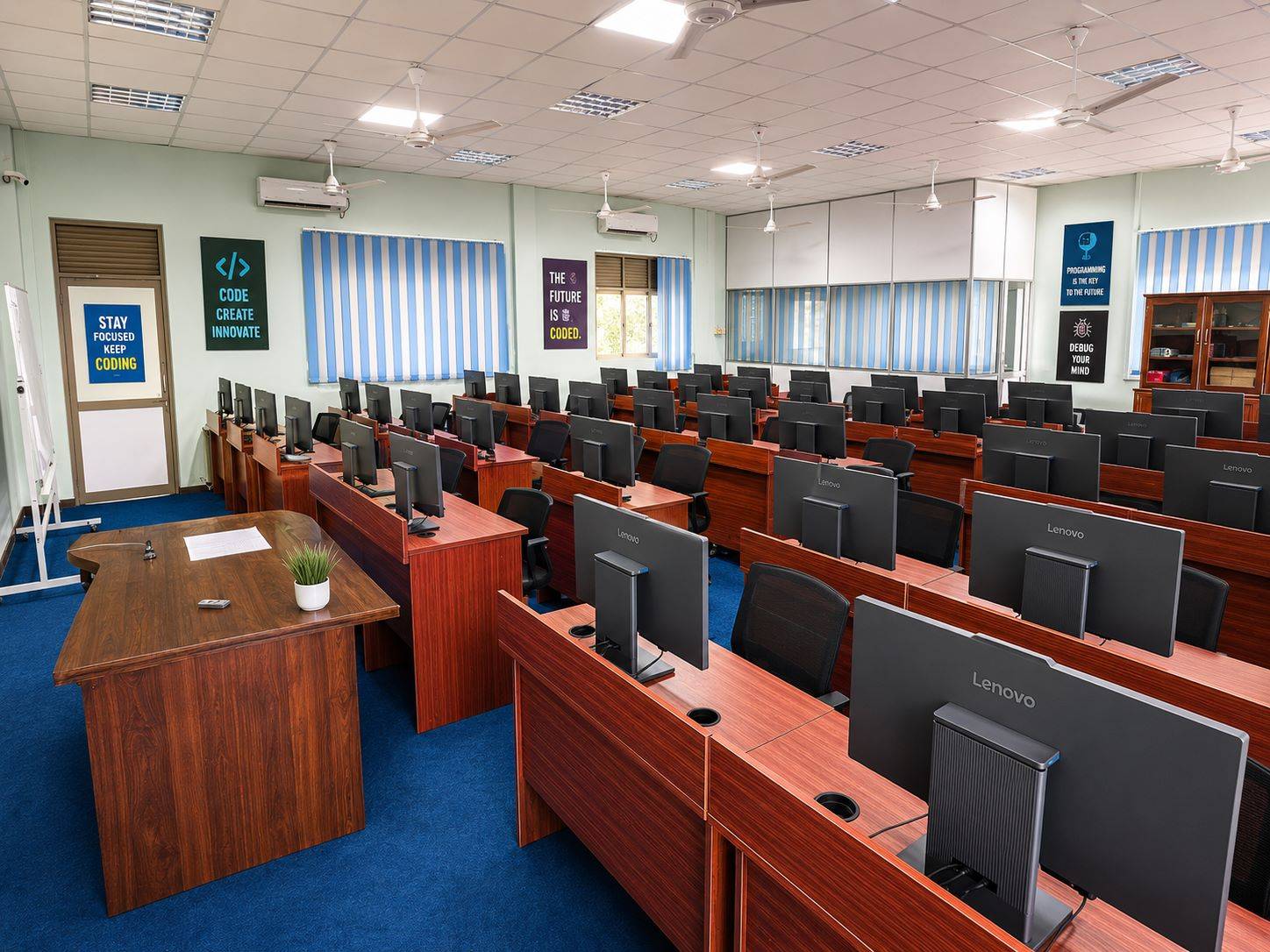
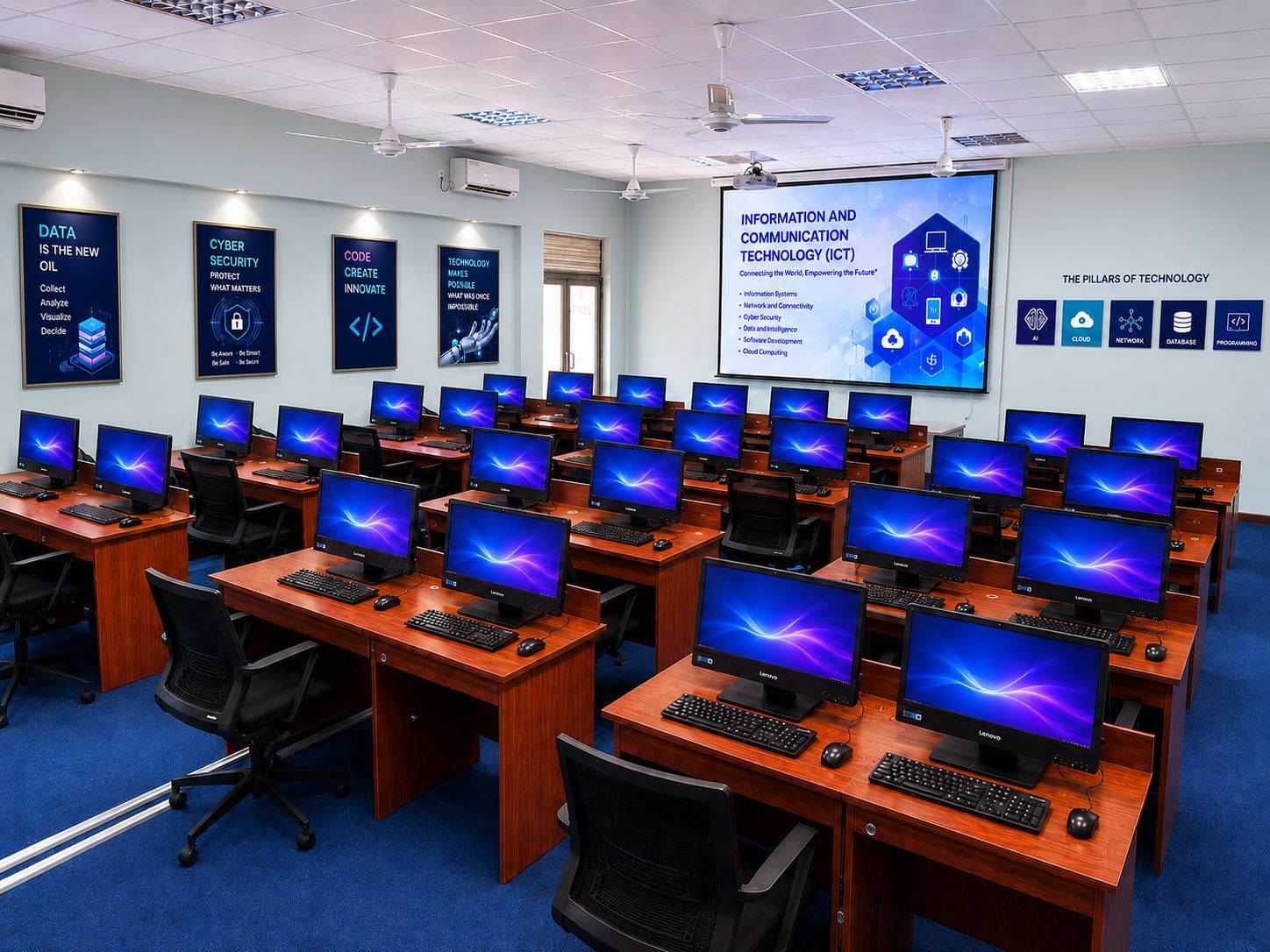
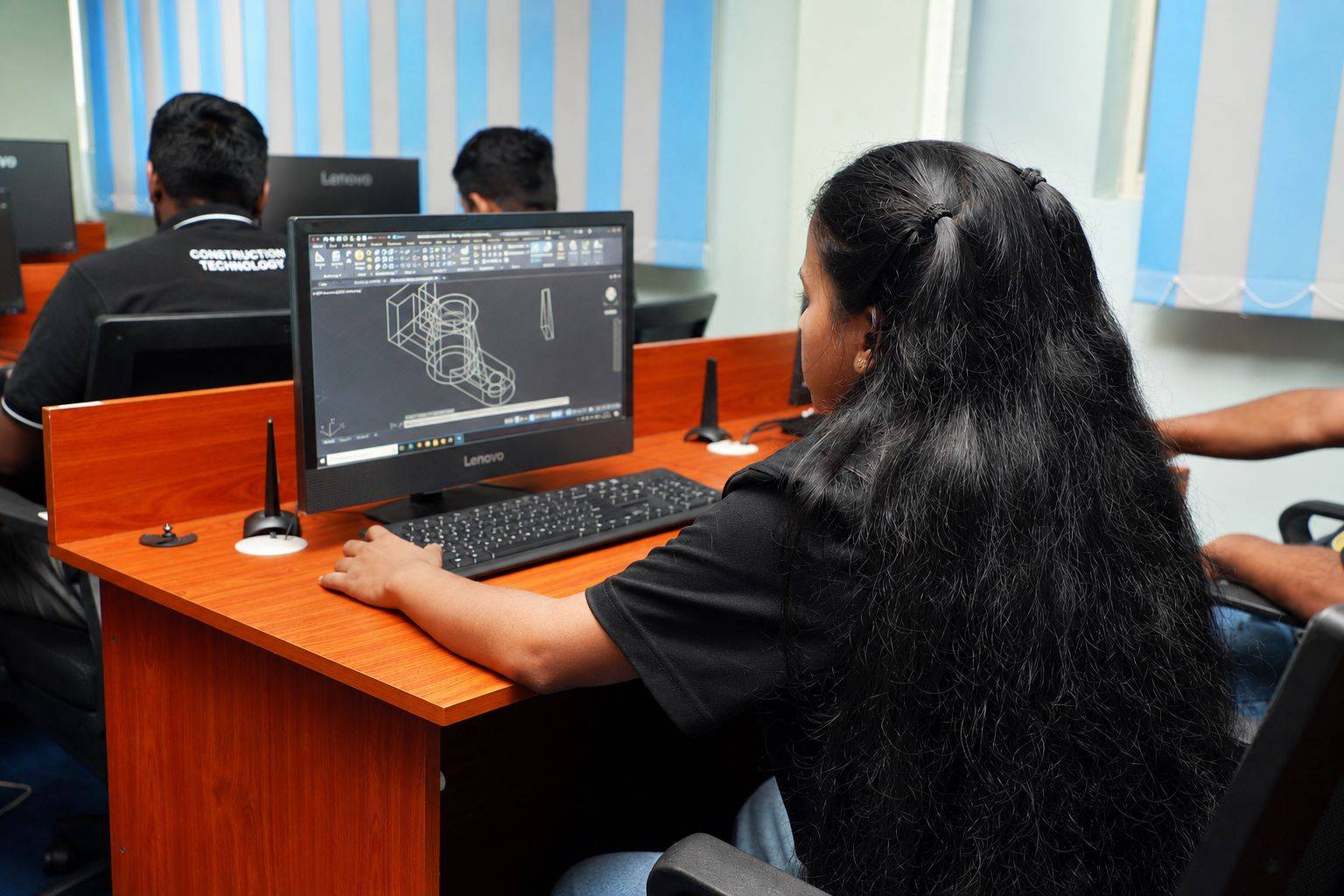
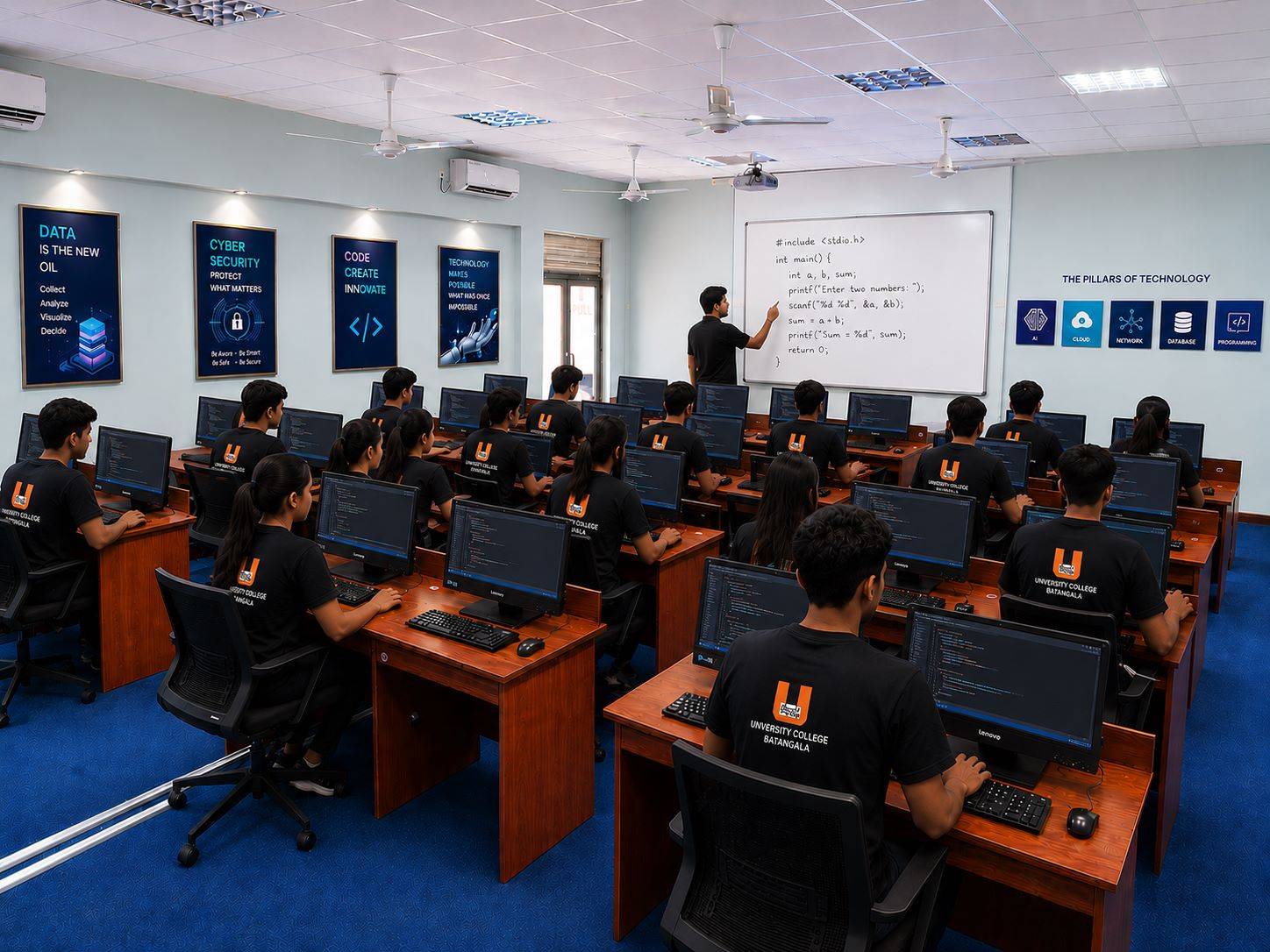
Modern Computer Laboratories
Industry-Based Training & Internship
Hands-on Learning Through Real Projects
Highly Qualified Academic Staff
Direct Pathway to Employment
Progression Opportunities to Bachelor's Degree Programmes
Program Outcomes
Upon successful completion of the programme, graduates will be able to:
Design, develop, test, deploy, and maintain software applications using modern programming languages and software engineering methodologies.
Design and administer secure databases and enterprise information systems.
Develop responsive web and mobile applications using current frameworks and development tools.
Configure, manage, and troubleshoot computer networks, cloud platforms, and ICT infrastructure.
Apply cybersecurity principles to safeguard information systems and digital assets.
Analyze organizational requirements and develop innovative digital solutions using emerging technologies.
Apply project management, teamwork, leadership, and professional communication skills in multidisciplinary environments.
Demonstrate ethical, responsible, and lifelong learning practices as competent ICT professionals.
Learning Facilities
💻 Advanced Computer Laboratories with modern hardware and industry-standard software
🌐 High-Speed Internet & Campus-wide Wi-Fi
🖥 Smart Digital Classrooms
☁ Cloud Computing & Virtual Learning Environment
📚 Modern Library with Digital Learning Resources
🤝 Industry Partnerships, Guest Lectures & Professional Workshops
🎯 Career Guidance, Internship Placement & Employability Support
Programme Academic Schedule
NVQ Level 5 – National Diploma in Information & Communication Technology
Course Structure
-
Semester I
-
Semester II
| Module Code | Module |
|---|---|
| K72T001M01 | User requirements for software solution |
| K72T001M02 | System analysis and design |
| K72T001M03 | Mathematics For Computing |
| K72T001M04 | Digital Electronics and Computer Architecture |
| K72T001M05 | Object Oriented Programming Concepts |
| K72T001M06 | Data Structures and Algorithms |
| K72T001M07 | Web Site Design and Hosting |
| K72T001M08 | Creative design for print media |
| EMPM02 | Workplace Communications Management |
| Module Code | Module |
|---|---|
| K72T001M09 | Software Testing & Quality Assurance |
| K72T001M10 | Web Application Development |
| K72T001M11 | Database Management Systems |
| K72T001M12 | Multimedia production |
| K72T001M13 | Computer Networks |
| K72T001M14 | Cyber Security and Cloud computing |
| K72T001M15 | Developing Mobile App |
| EMPM01 | Workplace information management |
| EMPM03 | Planning and Scheduling Work at Workplace |
NVQ Level 6 – Higher National Diploma in Information & Communication Technology
Course Structure
-
Semester I
-
Semester II
| Module Code | Module |
|---|---|
| K72T001M17 | Project Management |
| K72T001M22 | Advanced Techniques in Graphics Designing for Multimedia |
| K72T001M23 | Design and develop audio, video, motion graphics and animation for multimedia content |
| K72T001M24 | Manage cloud resources |
| K72T001M21 | Green IT Concept |
| EMPM04 | Problem Solving and Decision Making |
| Module Code | Module |
|---|---|
| K72T001M33 | Design, Develop and Maintain Web Application |
| K72T001M34 | Advertising and Campaign Management |
| K72T001M24 | Fundamentals of Artificial Intelligence (AI) |
| K72T001M25 | Business Continuity Planning and Disaster Recovery |
| K72T001M26 | Generate Analytical Reports Using Data Science Tools |
| EMPM05 | Teamwork and Leadership |
| EMPM06 | Creation and maintenance of learning culture |
Entry Requirements
Prerequisites for NVQ Level 5 qualification in Information & Communication Technology:
- NVQ Level 04 Certificate of,
- Computer Hardware Technician (K72S001)
- Computer Network Technician (K72S002)
- ICT Technician (K72S004)
- Computer Hardware and Network Technician (K72S015)
- Graphic Designer (D22S002)
- Web Developer (K72S005)
- Software Developer (K72S014)
- Credit pass for Mathematics at the GCE (O/L)
OR
- Have a minimum of three Simple (S) passes at the General Certificate of Examinations (Advanced Level – local) in any stream.
Your Future Begins Here
The future belongs to those who possess competencies—not merely certificates.
At the University College Batangala, we prepare you to become a future-ready ICT professional equipped with the knowledge, practical skills, innovation mindset, and professional competencies demanded by the global digital workforce.
Build. Innovate. Transform. Lead the Digital Future.